Customizable Virtual Fitting Room Model
An idea I had because I have this problem.

I'll be honest, I started thinking about this shortly after posting this blog post about product vision sparked by seeing a job posting. It then reminded me of a vague concept I had many years ago when I first ventured into Computer Vision, Virtual and Augmented Reality, as well as Graphics. This was probably between the years 2019-2021 while I was in undergrad. I had this thought about being able to try on clothes while online shopping.
Here's how the process of shopping online for clothes currently works:
- Discover the clothing online either by browsing social media, Pinterest boards, brand websites, aggregators.
- Find something that fits the price point you're willing to spend based on the images or videos you see.
- Consider whether there's a sizing chart to pick a size. (Sometimes these are hard to access.)
- Look at the reviews and see if sizes run small or large based on qualitative and quantitative information about a person's height or weight if available (some sites have this).
- Look at the return policy if it doesn't fit. Is there a "try before you buy" option?
- Take the risk and wait for it to arrive.
- When it does arrive, realize it fits and looks good! (Happy ending)
Or, realize its texture isn't what you expected based on the materials used – whether that was available in the first place – or that the actual product didn't match the way the image represented it which then causes you to put a strongly worded review.
I have many friends who don't like shopping for clothes online due to these issues. They're largely satisfied with the options available at physical stores near them and make do with that constraint. I, on the other hand, have body measuring tape at home and rely heavily on it when shopping online for clothes – largely due to styles that I can't find at shops near me.
What I See Online About This
Most of the new and cool clothes I find are usually discovered through scrolling Instagram these days. Creators, sponsored by certain brands or aggregators, will model the clothing – in a way, I get to see what it actually looks like on a real human who may match my skin tone or body proportions.
I also see a lot of smaller clothing brands who optimize for specific body shapes due to the shared pain of not having clothes that fit. This is the largely due to the inverse relationship between mass-produced, cheap clothing that tries to cater to a wide population and having clothes that fit a specific individual.
The problem that I currently see is that discovering these brands is very difficult. One might start looking online for forums like Reddit, or now ChatGPT to get some suggestions for brands that cater towards their clothing struggles. However, this doesn't solve for customized window shopping catered towards discovering personal fit.
The Many Ways To Look At Shopping for Clothes
Bring in all the stereotypes you have about different fashion trends in different social groups. Some people view clothing just as a way to fit into social standards. Others view it as a way to express themselves. There's clothing for different occasions like formal weddings and themed parties. This is all very useful information when it comes to innovating on a shopping experience. It's to understand why people shop for clothes.
What's Been Done Before?
Virtual Try-on: Canva offers this through static images and treats clothing as a visual filter generated on a picture of someone. It's good for testing combinations of clothes. Where does this implementation fail? It's a static image, isn't stress-tested in weather.
Digital-twin Avatar: It looks like Net-a-porter, a fashion aggregator is exploring this as a potential solution as reported by Vogue. This is the closest to the idea I'm exploring as it requires collecting body measurements.
Video Try-on: This is very similar to Virtual Try-on and "simulates" physics through Computer Vision and Generative AI training possibly on video data, but this isn't necessarily a graphics model of the actual piece of fabric against your body in different environments.
Some research had been done on 360-degree or 3D virtual try-on methods. What I'm imagining is a combination of this CAD-type clothing design technology and the digital-twin avatar
So Where Does a Customizable Virtual Fitting Room Fit?
There's already generative AI powered by Computer Vision that can make images and videos from scratch or overlay filters onto reality. In a separate realm, there are very powerful graphics capabilities that add more realism into animation physics.
So what I envisioned largely revolves around connecting a few pieces of data that seem to be very far apart: the proportions of a piece of clothing that a brand sells and the proportions of the body of the person shopping. Another missing piece is color accuracy because lighting in photos and the quality of the setup to take a photo can warp the way a piece of clothing, or frankly, any item, that's purchasable is perceived.
The rest is built on approximating the physics and the model by which a person can "try-on" clothes. So, there are definitely ways to refine this model the more data is provided on both ends – both from a clothing measurement perspective and a person's body perspective. If you've seen the way clothing is designed, it gets very complicated.
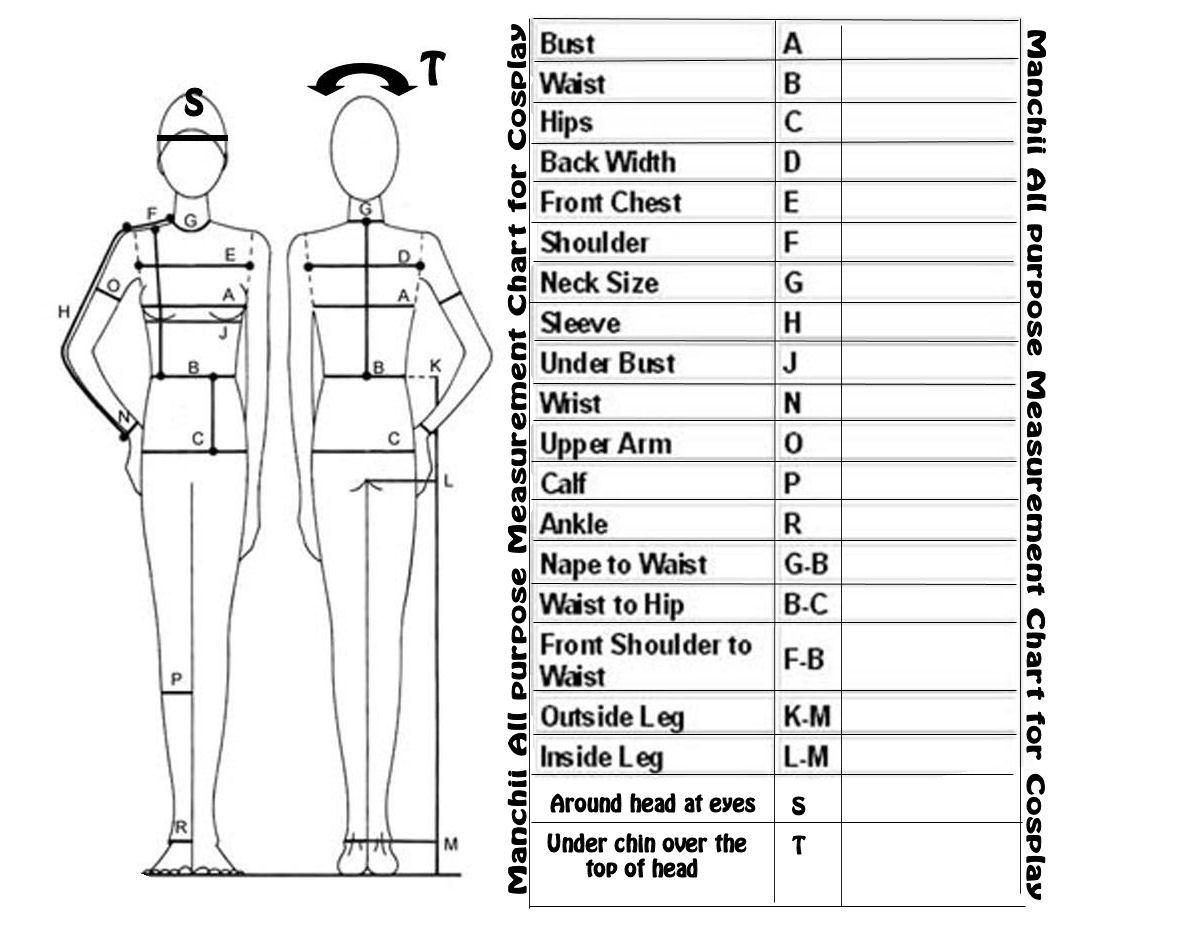
So, we can assume that if a shopper were to provide measurements of parts of their body (if available), then we can increasingly customize the virtual model they have for themselves. On the other end, you have the actual measurements about the piece of clothing (circumferences and lengths between seams).
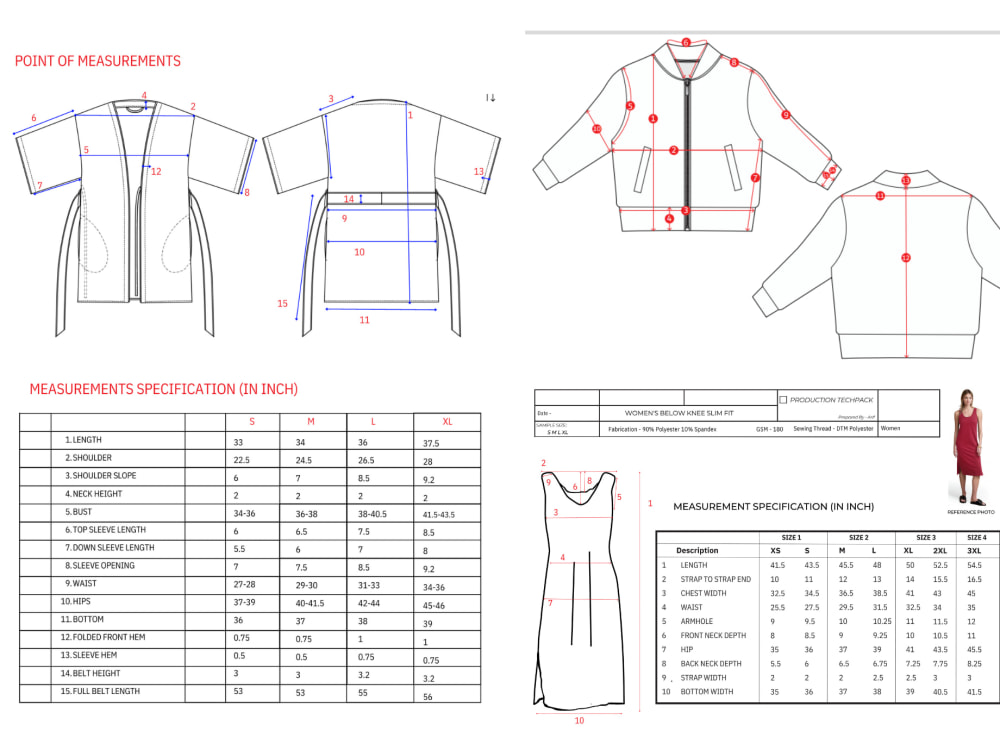
So assume you have access to the data on both ends as well as information about the material, one could imagine creating, through the power of animation graphics, a visual representation of how the clothing would drape on someone.
Now imagine we have this data and can approximate a model. One could imagine swiping through different options for clothes and different styles across different brands in a sort of aggregator-type way to find something they're happy with. We can save time, money, and resources by not having to ship clothing back and forth. You can even add wind physics to these virtual models. I've purchased some clothes myself where the wind adds a twist where a lot of the reviews said they had to add some extra stitches. This is almost like "dogfooding clothing" and stress-testing it in different environments.
The hard part is to have this be widely accessible and known which means integrating it into existing processes and not having people download yet another app. This could be via plugins or embedded into an existing shopping flow. Another is having these brands start surfacing this information about their clothing designs. I want to have a way for brands to successfully sell clothes that fit their customers and for shopping to return to a battle of price and aesthetic.